PrEP in San Antonio: How to Get It, What It Costs and Who It Is For
This page is general health information, not medical advice. It cannot tell you whether you have an infection. A clinician can, and the testing options on this site are a good place to start.
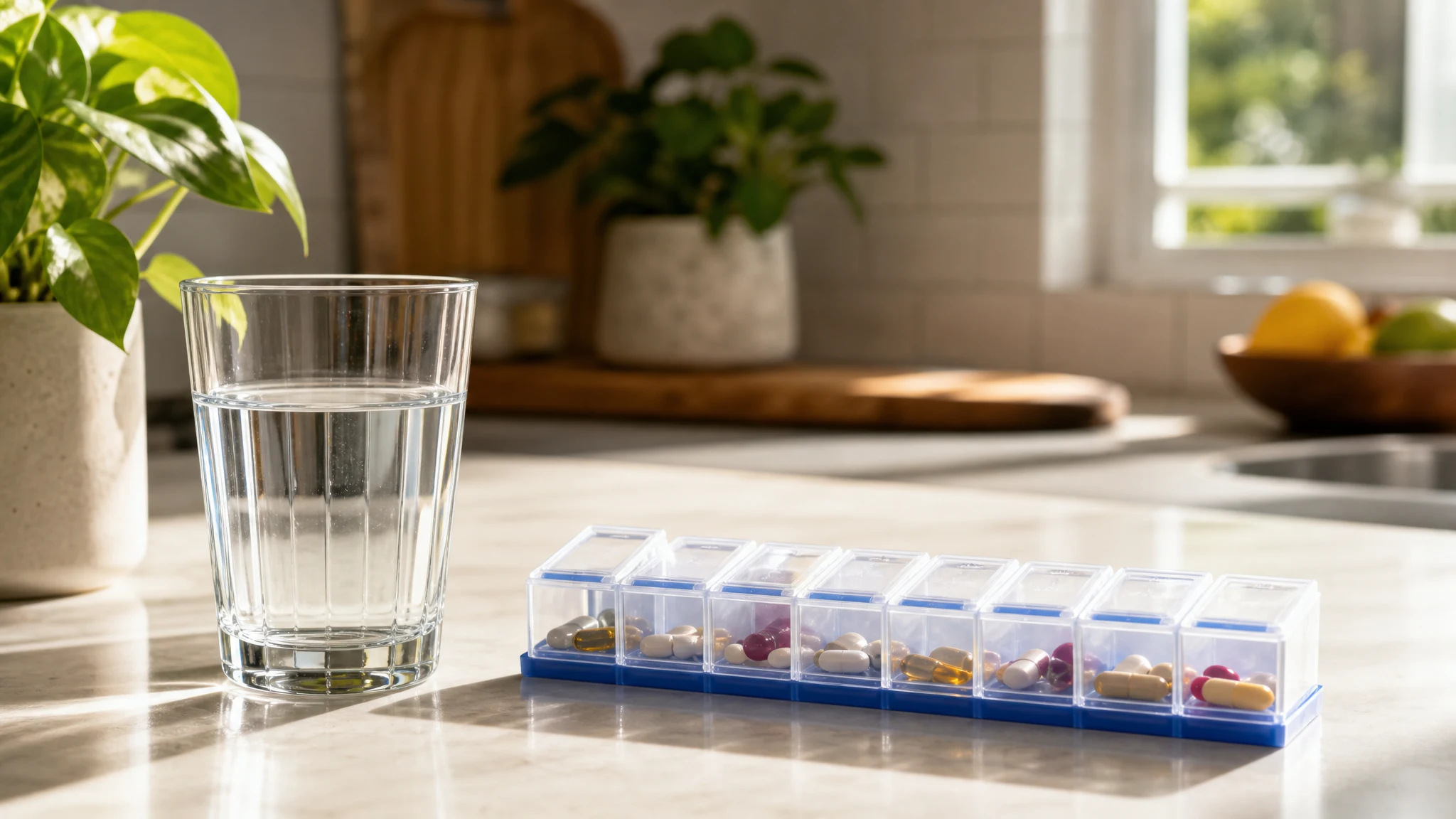
PrEP is medicine that lowers the chance of getting HIV. People in San Antonio use it as one part of a sexual health routine that also includes testing, condoms and regular check-ins with a clinician. This guide explains who PrEP is meant for, the three forms of it, what the first visit looks like, how to pay for it and where to start in Bexar County.
Nothing here is a diagnosis or a prescription. A clinician decides whether PrEP fits a person, and this guide is meant to help you walk into that conversation prepared.
Key takeaways
- PrEP stands for pre-exposure prophylaxis. It is prescribed to people who do not have HIV to lower their chance of getting it.
- The CDC says daily oral PrEP reduces the risk of getting HIV from sex by about 99% when taken as prescribed, and by at least 74% for people who inject drugs.
- PrEP comes as a daily oral medicine and as long-acting injections. A third approach, called on-demand or 2-1-1 dosing, has been studied in a narrower group, and a clinician decides whether it applies.
- A PrEP start usually involves an HIV test, kidney and other lab checks, and STI screening, followed by regular visits.
- The Metro Health PrEP Clinic, the San Antonio AIDS Foundation, the Alamo Area Resource Center, Kind Clinic, BEAT AIDS and CommuniCare all list PrEP or related services.
- Many insured people pay nothing for PrEP, according to the Texas Department of State Health Services (DSHS). Help exists for people who are uninsured or underinsured.
- PrEP does not protect against other STIs, so testing still matters.
In this guide
- What PrEP is and how well it works
- Who PrEP is for
- Daily oral, on-demand and injectable PrEP
- What happens at a PrEP visit
- How to get PrEP in San Antonio
- What PrEP costs and how to pay for it
- Staying on PrEP, privacy and related tools
- Next steps and common questions
 "
+ "
"
+ "What PrEP is and how well it works
PrEP is short for pre-exposure prophylaxis. The word "pre" matters. The medicine is taken before a possible exposure to HIV, so the body is already protected if the virus is encountered. It is for people who do not have HIV.
PrEP is a form of HIV prevention. When people search for information on PrEP HIV protection, the main point to know is that it works best as a steady habit. The CDC says daily oral PrEP reduces the risk of getting HIV from sex by about 99% when it is taken as prescribed. For people who inject drugs, the CDC says the reduction is at least 74%. Those figures describe people who take it consistently. Protection is lower when doses are missed.
The CDC also explains that PrEP needs some time to build up protection in the body, and that the time differs depending on the type of sex and the form of PrEP. A clinician can tell you how long to wait before relying on it, and what to use in the meantime.
What PrEP does not do
PrEP lowers the chance of HIV. It does not protect against chlamydia, gonorrhea, syphilis, herpes, HPV or other infections. It also does not prevent pregnancy. Condoms, regular STI testing and, for some people, vaccines remain useful alongside it.
PrEP is not the same as PEP
PEP stands for post-exposure prophylaxis. It is a short course of HIV medicine a clinician prescribes after a possible exposure. The CDC says PEP must be started within 72 hours, and sooner is better. PrEP is the ongoing option used before exposures happen. If you think you had an exposure in the last few days, do not wait for a PrEP appointment. The Alamo Area Resource Center and Kind Clinic both list PEP among their services, and an urgent care or emergency department can also help. Calling ahead is a good idea because availability differs.
Why it matters in Bexar County
The CDC's 2024 HIV surveillance tables report 373 new HIV diagnoses in Bexar County, a rate of 21.1 per 100,000 people aged 13 and older. For comparison, the same CDC tables put the Texas rate for people aged 13 and older at 19.4. Behind every number is a person who might have used a prevention tool earlier. These figures describe the community, not any one reader, and they are a reason that PrEP and routine testing are worth knowing about.
" + "Who PrEP is for
PrEP is for adults and teens who do not have HIV and who may be exposed to it. The CDC describes this as people who have had anal or vaginal sex in the past six months and who also have any of the following:
- A sex partner who has HIV, especially if that partner is not on treatment or has not had a consistently undetectable viral load.
- Inconsistent condom use with partners whose HIV status they do not know.
- A bacterial STI diagnosed in the past six months.
The CDC also describes PrEP for people who inject drugs and who share needles or other injection equipment, or who have a partner who does.
The US Preventive Services Task Force (USPSTF) gives PrEP its highest rating, a Grade A recommendation. It recommends that clinicians offer PrEP to adolescents and adults who are at increased risk of getting HIV. That recommendation is not limited to one gender, orientation or relationship type. It covers gay, bisexual and straight people, transgender and nonbinary people, people in relationships and people who are not.
Some situations where people ask about PrEP
- A partner has HIV and the couple wants an extra layer of protection while they plan their lives together.
- Condoms are not always used, and the person wants a prevention tool that does not depend on a partner's choice.
- A person is dating or having sex with new partners and wants a plan that does not rely on guesswork.
- A person has had a bacterial STI and wants to lower the chance of other infections.
- A person is thinking about starting a family with a partner who has HIV and wants to talk through options.
None of these situations is required, and none is a judgment. If you are not sure whether you fit, bringing the question to a clinician is the right move. A clinician can ask about your health history and tell you what applies.
Teens and young adults
Under the Texas Family Code Section 32.003, a minor of any age may consent to diagnosis and treatment of a reportable infectious or communicable disease, which covers reportable STIs and HIV, and parent or guardian consent is not necessary for that care. The statute also lets a physician tell a parent or guardian about the treatment, with or without the minor's consent. So a clinic cannot promise a teen that a parent will never be told. The statute describes diagnosis and treatment of disease, so whether it extends to prescribing PrEP is something to ask a clinic directly before the visit.
" + "Daily oral, on-demand and injectable PrEP
There is more than one way to take PrEP. A clinician helps choose among them based on health history, lifestyle and what the person prefers. Only the clinician names the exact medicine and schedule.
Daily oral PrEP
This is the form most people know. It is a pill taken by mouth, prescribed by a clinician and based on the schedule they set. The CDC's figures above for sexual and injection exposure come from this form taken as prescribed. People who choose it often like that it is private, familiar and easy to stop and restart with a clinician's guidance. The tradeoff is that it only works if it is taken consistently. Many people tie it to a daily habit, such as brushing their teeth.
Oral PrEP can cause mild side effects at first for some people, such as an upset stomach or headache. The CDC says these usually fade within a few weeks. Clinicians also check kidney function before and during oral PrEP, which is one reason regular lab work is part of the plan.
On-demand PrEP, sometimes called 2-1-1
On-demand PrEP is a pattern where medicine is taken around the time of sex instead of every day. It is sometimes called 2-1-1 for how doses are timed around sex, and the clinician sets the details. The CDC notes that this approach has been studied mainly in gay and bisexual men, and it does not describe it as an option for other groups. It is not the same as daily PrEP, and it should only be used under a clinician's direction. If you are not a gay or bisexual man, ask a clinician about the daily or injectable options instead. Do not make up your own schedule from something you read online.
Injectable PrEP
Long-acting injectable PrEP is given by a clinician at a clinic, so there is no daily pill. The CDC lists injectable PrEP among the FDA-approved options, and several injectable forms now exist with different schedules. Injections suit people who find daily pills hard to keep up with or who prefer fewer touchpoints. The tradeoff is that visits must happen on time and the clinic must stock the product. Not every San Antonio site offers every form, so ask when you call.
Choosing between them
Questions that help a clinician guide the choice:
- Would a daily routine be easy or difficult to keep?
- How does your insurance treat each form?
- Do you have kidney or bone health concerns?
- Are you pregnant, chestfeeding or planning a pregnancy?
- How comfortable are you with clinic visits and injections?
 "
+ "
"
+ "What happens at a PrEP visit
People often worry the first appointment will be long or uncomfortable. In practice it is a health visit with some lab work and an honest conversation.
Before the first prescription
CDC guidelines call for a few checks before PrEP is started:
- An HIV test. PrEP is only for people who do not have HIV, so a clinician needs a current result. If a person with HIV took PrEP medicine alone, the virus could develop resistance, which is why this step is never skipped.
- Kidney function labs for oral PrEP.
- Hepatitis B and hepatitis C screening. The CDC includes these checks because some PrEP medicines also act on hepatitis B.
- STI screening, which may include tests for syphilis, gonorrhea and chlamydia depending on the kind of sex you have.
- A pregnancy test when it applies.
The clinician will also ask about your health history, medicines you take and any questions about sex or drug use. Being direct helps them give useful advice. These conversations are routine in a sexual health clinic.
Why the HIV test timing matters
The CDC explains that HIV tests have window periods, the time between exposure and when a test can detect the virus. Nucleic acid tests can detect HIV about 10 to 33 days after exposure. Antigen and antibody tests done on a blood sample from a vein can detect it about 18 to 45 days after exposure. Antigen and antibody rapid tests done on a fingerstick take longer, about 18 to 90 days. Antibody-only tests can take 23 to 90 days. If you had a recent possible exposure, tell the clinician, because it can change which test they use and when. Tests are a snapshot, and a clinician can tell you what a result does and does not mean.
Follow-up visits
The CDC recommends regular follow-up while on PrEP, with HIV testing and kidney checks at intervals the clinician sets, along with STI screening and conversations about how it is going. Follow-up is also where you can ask about side effects, switch forms or stop safely. These visits are part of the care, not a penalty.
Testing before you book
Some people want a baseline HIV test before they ever call a clinic. Texas DSHS runs the Test for Texas program, which mails free at-home kits for HIV, syphilis, gonorrhea and chlamydia to anyone in Texas aged 13 or older, with no insurance needed. Orders are placed at testfortexas.org, and DSHS says results appear in a secure portal seven business days after the sample reaches the lab. A PrEP clinic may still repeat testing before prescribing, so treat an at-home result as useful information, not a replacement for the clinic's process.
" + "How to get PrEP in San Antonio
If you are wondering how to get PrEP in San Antonio, the short answer is that several local organizations offer it, and some will help with cost. The options below come from each organization's own published information. Hours and services change, so call before you go.
Metro Health PrEP Clinic
The San Antonio Metropolitan Health District (Metro Health) runs a PrEP clinic at 512 E. Highland Blvd., Ste. 150, San Antonio, TX 78210. Its page says patients are evaluated by a nurse practitioner, labs are done in the clinic and a PrEP Navigator provides counseling plus guidance on insurance and finances. Walk-ins are accepted, but Metro Health says an appointment is highly encouraged. The phone number is 210-207-7292. The clinic page does not list hours, so call to confirm.
Metro Health STI Walk-In Clinic
This clinic is at the same address, 512 E. Highland, Suite 150, and offers STI and HIV testing, treatment and counseling. Metro Health lists hours of Monday to Thursday 7:45 a.m. to 4:30 p.m. with the latest check-in at 3 p.m., and Friday 7:45 a.m. to 12:00 p.m. with the latest check-in at 10:30 a.m. Check-in may close early when the clinic is at capacity. Metro Health says the clinic is for residents of San Antonio and Bexar County and people with no other means of getting STI services, requires a photo ID and does not offer anonymous testing. The page lists a $15 office visit administrative fee, with other fees varying by service. The phone is 210-207-8830.
San Antonio AIDS Foundation (SAAF)
SAAF is at 818 E. Grayson Street, San Antonio, TX 78208, phone (210) 225-4715. Its testing page lists rapid HIV, syphilis, gonorrhea and chlamydia testing, with screening and confirmatory services free and no appointment needed. SAAF says gonorrhea and chlamydia results take 7 to 10 days through the DSHS lab. Its testing page lets people sign up for PrEP, and the organization also lists doxy-PEP. Listed hours are Monday 8:30 to 4:00, Tuesday 12:00 to 8:00, Wednesday and Thursday 8:30 to 4:00, Friday 9:00 to 1:00 and Saturday 11:00 to 3:00. It is closed Sunday.
Alamo Area Resource Center (AARC)
AARC is at 303 N. Frio, San Antonio, TX 78207, phone (210) 625-7200. It lists free testing for HIV, hepatitis C, syphilis, gonorrhea and chlamydia, including rapid fingerstick tests for HIV, syphilis and hepatitis C. Walk-ins are listed Monday to Friday 8 a.m. to 4:30 p.m., and Wednesday until 8 p.m. AARC also lists PrEP and PEP, and it offers at-home self-test kits. Its page does not say who qualifies for those kits or whether they are mailed or picked up, so call to ask.
Kind Clinic, San Antonio
Kind Clinic, run by Texas Health Action, is at 730 Isom Road, San Antonio, TX 78216. It lists HIV and STI testing, STI treatment, HIV care, PrEP and PEP, with free walk-in testing. Kind Clinic says doxy-PEP is available to its own patients only. Clinic hours are Monday, Tuesday and Friday 9 a.m. to 5 p.m., Wednesday and Thursday 9 a.m. to 8 p.m., and the second and fourth Saturdays 9 a.m. to 2 p.m. The locations page says walk-in testing hours differ from clinic hours without listing them, so confirm before you go. The listed support line is 833-937-5463, and it is a general line, not one specific to this location.
BEAT AIDS
BEAT AIDS lists free, confidential HIV testing and PrEP, and confidential testing and treatment for common STIs. The phone is 210.212.2266. The website lists several San Antonio locations but does not say which one provides testing, so call to find out where to go and whether walk-ins are accepted.
CommuniCare
CommuniCare lists HIV screening, testing and PrEP at its Apollo Wellness Clinic, 6511 W Loop 1604 N, Ste. 105, San Antonio, TX 78254, phone (726) 224-3438, open Monday to Friday 8 a.m. to 5 p.m. CommuniCare offers a sliding fee discount for self-pay patients whose family income is under 200% of the federal poverty guidelines. Its page does not say whether walk-ins are accepted.
Finding a prescriber outside these clinics
DSHS keeps a PrEP Directory of prescribers across Texas at dshs.texas.gov/hivstd/prep/providers. DSHS also lists telehealth PrEP options on its PrEP page, which can help if getting to a clinic is hard. Your own primary care clinician, an OB-GYN or a community health center can prescribe PrEP too. If you already have a doctor, asking them first is a reasonable move.
 "
+ "
"
+ "What PrEP costs and how to pay for it
People often ask about HIV PrEP cost before anything else. The honest answer is that it depends on insurance, the form of PrEP and where care is received. No one source gives a single price, and none is published for San Antonio clinics, so here is what is known.
Insurance and the ACA
The USPSTF's Grade A rating matters for coverage. Under the Affordable Care Act's preventive services rules, most private health plans and Medicaid expansion plans must cover services with an A or B rating without charging a copay or deductible when received from an in-network provider. DSHS says PrEP is free for many insured people. Coverage details still vary. Some plans apply rules to certain forms, may cover lab work differently, or may use out-of-network rules. Call the number on your insurance card and ask what is covered, and ask the clinic what it bills. Texas has not expanded Medicaid to all low-income adults, so eligibility varies, and a PrEP Navigator or enrollment counselor can help you check.
If you are uninsured or underinsured
DSHS says PrEP navigators across Texas help people find ways to pay. Its PrEP page lists several types of help:
- Manufacturer assistance programs.
- Nonprofit patient assistance foundations, including the PAN Foundation and the Patient Advocate Foundation.
- Telehealth PrEP options.
Locally, the Metro Health PrEP page does not list a price. It says the PrEP team helps people regardless of their financial situation, and it points to a PrEP Navigator for insurance and financial guidance. Kind Clinic lists free walk-in testing but does not state the cost of PrEP visits. SAAF and AARC list free testing, but their pages do not state PrEP costs. BEAT AIDS lists free testing, and CommuniCare uses the sliding fee scale described above. In every case, ask what the visit, the labs and the medicine will cost before you start.
Questions to ask about cost
- Is there a fee for the visit, and does it change for follow-ups?
- Who pays for the lab work?
- Can the clinic help with an assistance application?
- What happens if my insurance changes?
- Is there a sliding fee for people without insurance?
If cost is the barrier, say so. Navigators exist for exactly that reason, and it is a common issue they work on.
" + "Staying on PrEP, privacy and related tools
Making it a routine
PrEP protects best when it is used as directed. People who stay on it often link it to something they already do, use phone reminders or set a schedule for refills and follow-up visits. If you miss doses, tell the clinician without worrying about judgment. They can adjust the plan, and that kind of honesty is how care gets better.
Stopping and restarting
Some people use PrEP for a season of life and then stop. That is a legitimate choice. Talk to a clinician about when to stop and what to do afterward, since the right steps depend on the form of PrEP you used. Those who restart will usually repeat the HIV test first.
Privacy
Medical visits are private, and clinics follow health privacy law. Two points are worth knowing. First, Texas DSHS lists HIV and AIDS, chlamydia, gonorrhea and syphilis among notifiable conditions, so a clinician or lab who finds one of them reports it to the health authorities, as DSHS requires. Taking PrEP is not itself a reportable condition. Second, the Metro Health STI Walk-In Clinic requires a photo ID and does not test anonymously. If anonymity matters to you, ask each clinic what it offers before you go. Insurance can also generate statements at a shared address, so ask your plan how explanations of benefits are delivered.
Doxy-PEP
Doxy-PEP is a different tool. In 2024 the CDC issued guidance that a clinician may offer an antibiotic taken after sex to lower the chance of certain bacterial STIs, for gay and bisexual men and transgender women who have had a bacterial STI in the past 12 months. It does not protect against HIV, so it is not a substitute for PrEP. SAAF lists doxy-PEP, and Kind Clinic says it is available to its patients only. A clinician decides whether it is appropriate.
If a partner is diagnosed with an STI
Texas allows expedited partner therapy through administrative rules, according to the CDC's legal status page for Texas, which lets certain clinicians prescribe or pharmacists dispense STI medicine for a patient's partners without a separate exam. Ask a clinician whether it applies to your situation.
During pregnancy
Texas Health and Safety Code Section 81.090 calls for syphilis, HIV and hepatitis B testing at the first prenatal visit, syphilis and HIV testing in the third trimester, and testing at delivery in certain cases. A pregnant person can object to the HIV tests but not the syphilis tests. If you are pregnant or planning to be, ask your clinician about PrEP, since it is a topic that should be handled one on one.
" + "Next steps and common questions
A simple plan to get started
- Write down your questions, your insurance details and any medicines you take.
- Decide where to call. For a first step, the Metro Health PrEP Clinic at 210-207-7292 is the publicly run option. Community organizations such as SAAF, AARC, Kind Clinic and BEAT AIDS are also listed above.
- Ask whether they accept walk-ins, how long the first visit takes and what it costs.
- Get an HIV test and baseline labs, either at the clinic or beforehand.
- Ask about the forms of PrEP and pick the one that fits.
- Book the follow-up visit before you leave.
Testing is a good first step even if PrEP is not on your mind yet. For a full list of places to get tested in the city, see where to get tested for STDs in San Antonio. You can also use the CDC's locator at gettested.cdc.gov to find free or low-cost testing sites by ZIP code. Metro Health's sexual health page at sa.gov also lists services and updates.
Common questions
Is PrEP only for gay and bisexual men? No. The CDC and USPSTF describe PrEP for anyone at increased risk through sex or injection drug use, regardless of gender or orientation.
Can PrEP be taken with hormone therapy? Many people take both. Tell the clinician about all medicines, including hormones, so they can check for interactions.
Do I still need STI tests on PrEP? Regular screening is part of PrEP care. PrEP does not protect against other infections. Bacterial STIs and trichomoniasis can be cured with treatment from a clinician. HIV, herpes and HPV are not curable, though they are treatable or manageable.
Does PrEP treat HIV? No. If someone has HIV, a clinician prescribes a different, fuller set of medicines. HIV is manageable with treatment, and starting care early helps.
What about the local numbers? The Texas DSHS 2022 surveillance report counted 5,983 gonorrhea cases in Bexar County, a rate of 290.5 per 100,000 people, and 500 primary and secondary syphilis cases, a rate of 24.3 per 100,000. For comparison, DSHS's statewide 2022 rates were 207.0 for gonorrhea and 15.5 for primary and secondary syphilis. Bacterial STIs are one more reason regular screening is a normal part of staying on PrEP.
Who do I call first? If you can only make one call, try the Metro Health PrEP Clinic at 210-207-7292. If hours or eligibility do not fit, try the organizations above or the DSHS provider directory.
Sources
- CDC, HIV Basics: PrEP
- CDC, PrEP for HIV prevention information for clinicians
- CDC, Legal Status of Expedited Partner Therapy in Texas
- CDC, HIV Surveillance Data Release Tables, 2024
- CDC, GetTested locator
- Texas DSHS, PrEP
- Texas DSHS, PrEP Directory of prescribers
- Texas DSHS, Free At-Home HIV and STD Testing
- Texas DSHS, Texas STD Surveillance Report 2022
- Texas DSHS, Texas Notifiable Conditions 2026
- San Antonio Metropolitan Health District, Sexually Transmitted Infections and HIV
- San Antonio Metropolitan Health District, STI Walk-In Clinic
- San Antonio AIDS Foundation, Testing
- Alamo Area Resource Center, HIV/STI Testing
- Kind Clinic, Locations
- CommuniCare, STD/HIV Screening and Testing
- Texas Family Code, Chapter 32 (Section 32.003)
- Texas Health and Safety Code, Chapter 81 (Section 81.090)
- USPSTF, Prevention of HIV Infection: Pre-Exposure Prophylaxis